What each one actually does
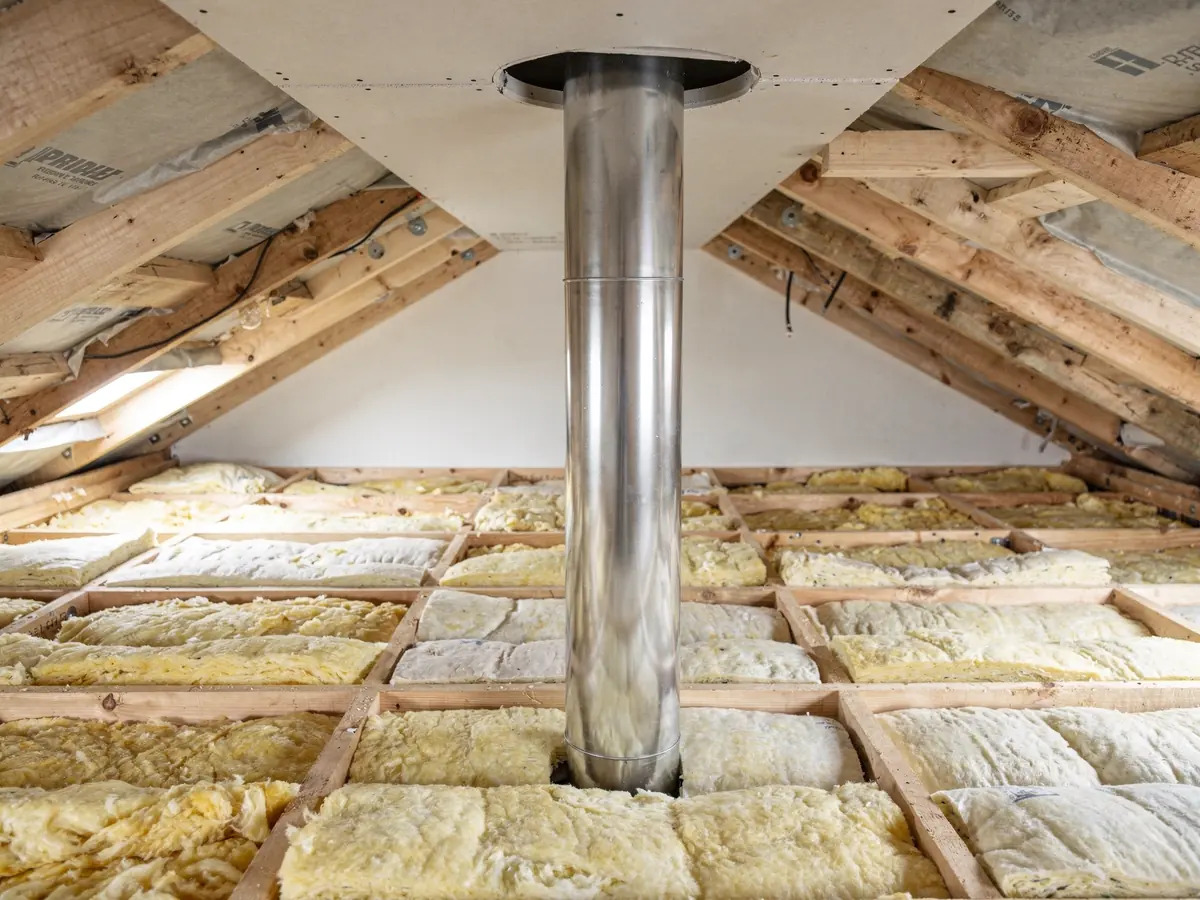
A sun tunnel has three parts: a small dome or flat glazed cap on the roof, a reflective tube that runs through the roof space, and a diffuser fitted into the ceiling below. Daylight enters the cap, bounces down the tube and spreads from the diffuser as a soft, even glow. There is no view of the sky, nothing to open, and the opening in the roof is small. The whole device is a way of moving daylight from where it is to where it is not.
A rooflight, whether a roof window in a pitched slope or a flat rooflight on an extension, is a window set in the roof. You see the sky through it, you can usually dress it with a blind, and some designs open to air the room. The opening in the ceiling is as big as the glass, so the room below is lit by the full area of the unit and not by a narrow tube.
That difference drives most of the decision. A tunnel suits a room that needs a little daylight and has no direct route to the roof. A rooflight suits a room that needs real daylight, a view, or fresh air, and that has a roof directly above it, or the structure to take one. The rest of this guide works through the rooms where each wins.
| Point | Sun tunnel | Rooflight |
|---|---|---|
| Opening in the roof | Small and round or square | As large as the glass |
| View of the sky | None | Yes |
| Ventilation | None | On opening designs |
| Needs roof directly above | No, the tube can bend | Yes, or a lined light well |
| Best for | Landings, halls, bathrooms | Living rooms, kitchens, lofts |
Is a sun tunnel better than a skylight?
Neither is better in general. A sun tunnel is better when the room has a loft or a void between it and the roof, when the room is small, and when you want daylight rather than a view. A skylight, which for most people means a roof window or flat rooflight, is better when the room sits directly under the roof, when it is large, or when you want to look out or open the unit.
The mistake we see in questions is to treat the tunnel as a cheaper version of a skylight. It is a different tool. Asked to light a long, dark open-plan kitchen, a tunnel will give a pool of light under the diffuser and little elsewhere. Asked to light a windowless first-floor landing under a loft, a rooflight might be impossible to fit, because the loft is in the way, while a tunnel runs through the void and does the job.
So ask three questions of the room. What is above its ceiling? How big is it? And does it need a view or an opening? The answers usually point clearly one way. Our answer on whether sun tunnels are worth it looks at the same choice from the point of view of value.
Rooms where a sun tunnel wins
The first and clearest case is the windowless landing. A first-floor landing in a semi often has no window and a loft above it. A tunnel passes through the loft and ends in a diffuser in the landing ceiling, bringing daylight to a corridor that would otherwise need a bulb on all day. The same applies to a hall on the ground floor of a house with a bedroom or loft above it, where a long tunnel can pass through the upper floor.
The second is the bathroom. A small windowless bathroom or en-suite needs daylight and has no outside wall to give it. A sealed, frosted diffuser does that without the privacy question that a window raises. Our page on sun tunnels in bathrooms covers the practical details, including how to keep the diffuser sealed against moisture.
The third is the room with loft space between it and the roof. A box room, a walk-in wardrobe or a utility room tucked under a pitched roof may have a ceiling joist layer and then a few feet of loft. A short rigid tube covers that gap cleanly. Where the tube must bend to get around a chimney or a beam, a flexible tube is an option, and our guide to rigid and flexible sun tunnels explains the trade-off in light delivery.
A tunnel also suits a room where you want daylight but not a window in the usual sense: a study where a screen faces the room, or a hall where a fixed sky view would be wasted. The diffuser spreads an even daylight and does not throw direct sun across a screen.
- A windowless landing with loft space above it
- A ground-floor hall where a tube can pass through the floor above
- A bathroom or en-suite with no outside wall
- A box room, wardrobe or utility room under a pitched roof
- Any small room that needs daylight and not a view

Rooms where a rooflight wins
A rooflight wins where the room is large. A kitchen extension, a living room, a loft bedroom or a garden room needs light across its whole floor, and a single narrow tube cannot deliver that. A flat rooflight over an island, or a roof window in a loft ceiling, lights the room by area. A row of units can shape the light further. See our pages on roof window installation and flat roof rooflight installation for the units themselves.
A rooflight wins where there is a view to enjoy. Watching clouds from a bed, or seeing the sky from a kitchen table, is something a diffuser does not do. If the point of the unit is the sky, choose glass.
A rooflight wins where you want air as well as light. An opening roof window or an electric flat rooflight can ventilate a room and may cut condensation in a bathroom or kitchen. A tunnel has no opening at all, so ventilation has to come from elsewhere.
And a rooflight wins in a loft conversion, where the room sits right under the slope. There is no void to run a tube through, the ceiling follows the roof, and the headroom and daylight requirements both point to a window. England sets no daylight rule in the Building Regulations for houses, so the decision rests on comfort and use.
How much light does a sun tunnel give?
This is the question where care matters, because the figures are easy to inflate. The manufacturer VELUX compares a 14 inch rigid sun tunnel, in good conditions, to roughly a 60W light bulb. That is the maker's own comparison, it describes good conditions, and it should be read as an indication and not a promise for your roof.
Output depends on several things. The longer the tube, the more light is lost along its walls. Every bend loses more. A tunnel that faces a clear sky does better than one in the shadow of a tree or a taller neighbouring roof. A larger diameter carries more than a smaller one. A flexible tube generally loses more light than a rigid one over the same run, because its walls fold and scatter the beams.
So the honest way to plan is to measure the run and count the bends. A short, straight, rigid tube into a small landing is the best case. A long run with two bends into a large room is the poor one. At the survey we record the roof position, the tube length and any obstruction, and the job plan states what we expect the unit to do for that room in plain terms. For how long a run can be, see the length limits for a tunnel.
A tunnel gives daylight and not heat. The tube is not designed to add warmth to the room, and the diffuser will not lower or raise its temperature in any meaningful way.
Can a sun tunnel replace a window?
A tunnel can replace a window as a source of daylight in a room that has none, but it cannot do everything a window does. It gives no view, no opening and no way to see the weather. In a room that already has a small window, a tunnel can improve the daylight, and in a room with none it is a good solution for use, but it should not be thought of as a like-for-like swap.
Building Regulations make the distinction clear in two places. Ventilation rules ask for a way to air a habitable room, and a tunnel does not provide one, so a room that needs openings still needs them. Escape rules, for rooms in the roof, ask for a window of sufficient size, and a tunnel is not one. For bathrooms the usual route is mechanical extraction, which is a separate item in the job plan.
If you are weighing a tunnel against adding a window, think about what is missing. If it is daylight alone, the tunnel is likely to be enough. If it is air, a view or an escape route, you need a window or a rooflight, and our survey will tell you which can be fitted.
Does a sun tunnel work on a north-facing roof?
It works, with less to work with. A tunnel collects daylight and not only direct sun, and a north-facing slope still receives plenty of diffuse skylight. What it loses is the strong, low sun that a south or west slope would catch. On a north slope the light into the room is steadier and softer, and on a bright day it is lower than the same tunnel would give from a south slope.
A rooflight on the same slope is in the same position. A north-facing roof window gives an even, glare-free light, which suits a study, an art room or a bedroom. Our guide to north-facing skylights explains why that steady light is often welcome.
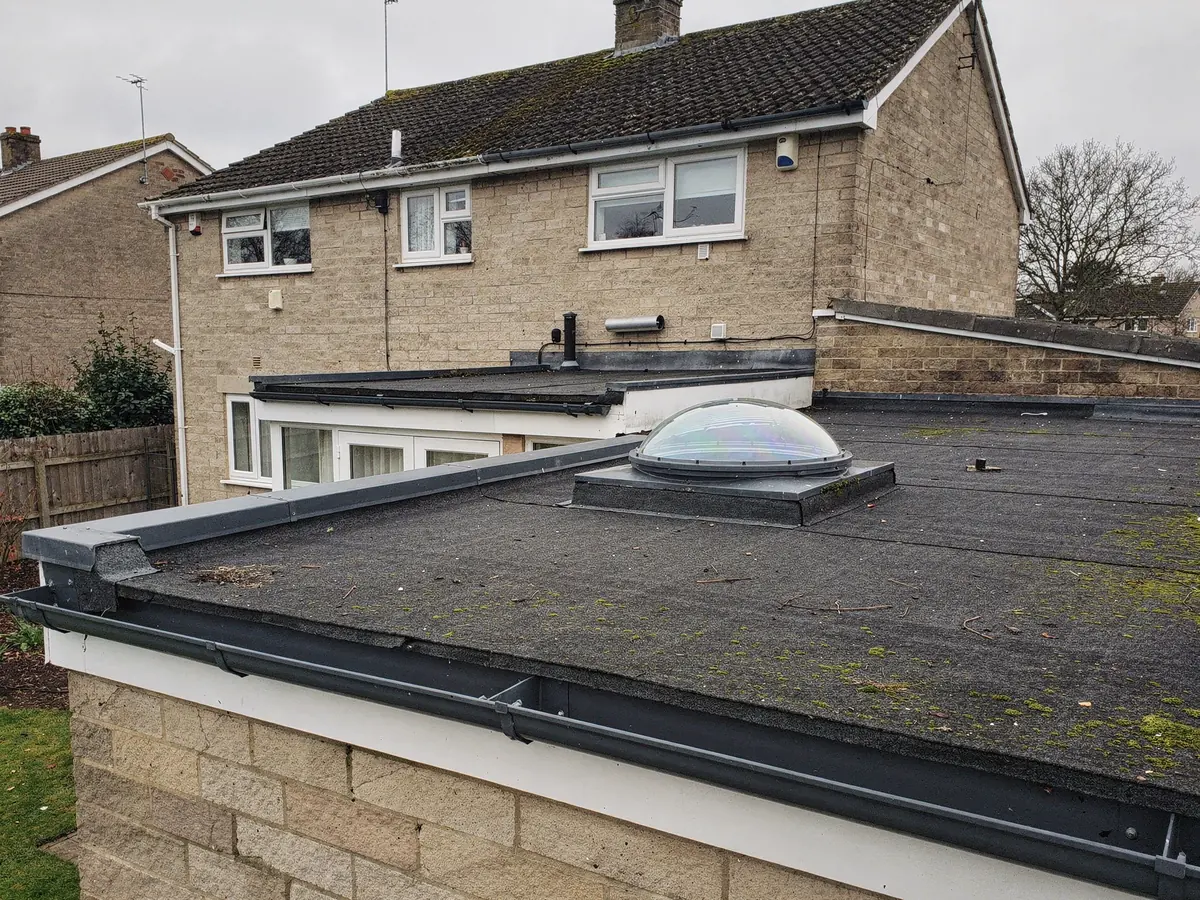
On a flat roof the slope question disappears, because the dome or glazing faces straight upwards. A flat-roof tunnel collects from the whole sky rather than from one direction. Our page on sun tunnels on a flat roof describes how the base is formed and sealed.
Choosing, and what the job plan records
Put the points together and the choice is usually plain. A small room with a loft above it and no need for a view or air: a sun tunnel. A larger room, a loft conversion or a room where you want to see the sky or open the unit: a rooflight. A hall or landing under a floor above: a tunnel, with a long run if the plan can support it. A kitchen extension with a flat roof: a flat rooflight or a lantern.
At the free survey we look at what sits above each ceiling, because that is what decides whether a tunnel is possible and how long it must be. We measure the roof, note the rafter spacing and the position of any obstruction, and set out the options in the written job plan along with what permission the address needs and the Building Control arrangements. Cutting through the roof is building work, so Building Control comes into it, and the plan names the route.
Permission is usually straightforward for a tunnel or a roof window on a house, and our planning permission guide sets out the limits and how to check an address. For the service itself, see our sun tunnel installation page. The plan also fixes the delivery date of the unit and the day it goes in. A 10-year workmanship guarantee applies to the fitting work, and you read the plan before anything is ordered.
- What sits above the ceiling of the room?
- How large is the room and how much daylight does it need?
- Do you want a view of the sky or an opening unit?
- Is the roof pitched or flat, and which way does it face?
- Will a tube have to bend to reach the room?